Build product photography around the differences customers need to inspect. For a twelve-variant garment, share images only where appearance is genuinely identical, show each color accurately, and connect fit evidence to the exact size photographed.
In this article
Product variant photography should start with a variant matrix, before a photographer receives a mood board. An attractive campaign image cannot tell a customer whether the selected navy garment has the same trim as the cream version. Record every sellable combination, the detail that changes, and the image needed to answer the purchase question.
The brief depends on the item and its options: a different finish needs visual evidence, while a dimensional difference may need a measurement. The studio’s location does not decide which images can be shared. Verify samples, usage rights and the actual theme behaviour before approving the set.
Turn twelve variants into buying questions
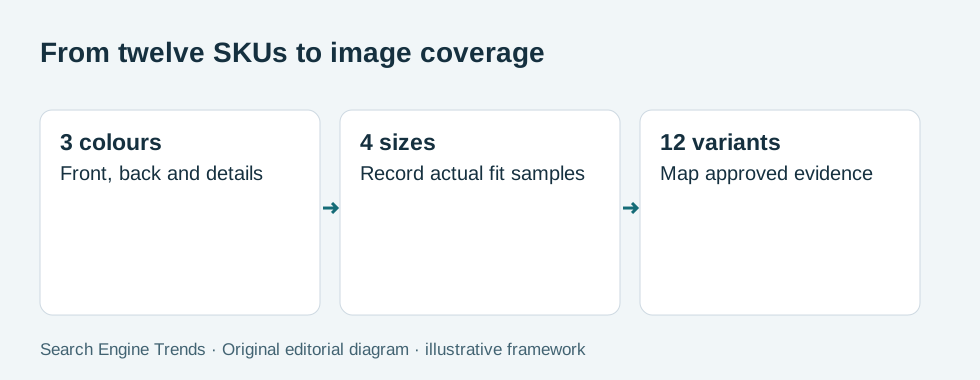
Imagine a hypothetical clothing business selling one overshirt in three colors and four sizes. That creates twelve variants. It does not automatically create twelve independent studio sets. Color photographs can serve several sizes when the garment construction matches, while fit photographs must identify the size and relevant model measurements accurately.
List front view, back view, fabric close-up, fastening detail and fit evidence. Mark which assets are shared, which belong to a color family and which prove a size-specific difference. This prevents both expensive repetition and unsupported reuse. If a larger size changes pocket placement or proportions materially, photograph that difference instead of hiding it inside a shared gallery.
Shopify’s variant image documentation distinguishes an assigned variant image from the wider product gallery. Check your actual theme behaviour before promising that a selected color will automatically filter every photograph.
Create a brief the studio can execute
Give the studio a shot identifier, the physical sample label, the intended view, the required comparison and the destination on the product page. Include a neutral reference photograph of the approved sample. Styling instructions should complement evidence, not alter features that the customer will receive.
Sample identity
Which sellable variant does this physical sample represent? Attach a sample label before shooting and photograph the label in a separate reference frame. Record color, size and production revision alongside the shoot identifier.
Check against a sample log linked to the source photographs. If a sample differs from the inventory currently offered, review the affected case before continuing. Image accuracy begins with the physical garment rather than the filename chosen after the shoot.
Visible differences
What must the customer inspect before choosing this option? Mark color, lining, fastening and fit differences in the shot matrix. Give genuinely shared views one asset reference while keeping distinctive details separate.
Check against a completed coverage matrix for all twelve combinations. If one variant has a detail that no approved photograph shows, review the affected case before continuing. Coverage measures answered questions; a large image folder can still miss the most important difference.
Page mapping
Does selecting an option show the right evidence? Test the default selection and every color switch on the published preview. Follow a direct link to a specific variant and inspect the first image as well as the rest of the gallery.
Check against a variant-by-variant preview review. If a direct variant link opens the wrong color or an image implies an included accessory, review the affected case before continuing. Mapping mistakes happen after a successful shoot, so studio approval does not replace storefront review.
Budget images rather than multiplying SKU count
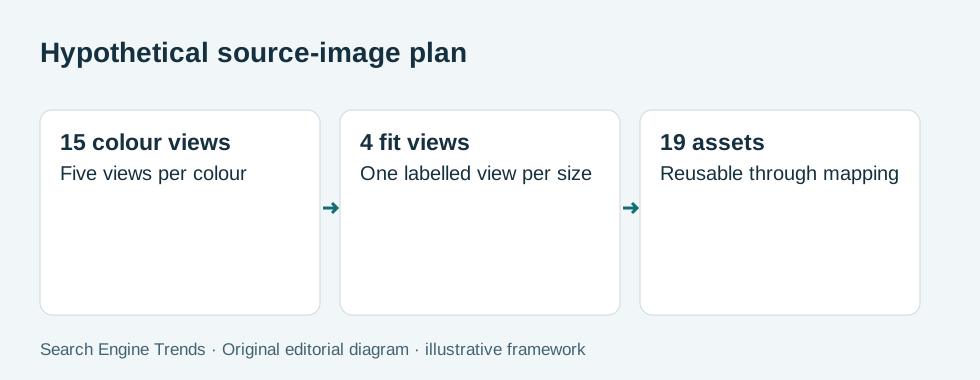
For the hypothetical overshirt, photograph five views per color and four fit views, each with a recorded size. That produces nineteen source images: fifteen color-specific views plus four size demonstrations. Twelve variants can reference those assets through an explicit mapping. This is a planning example, not a recommendation to use nineteen photographs on every product page.
| Asset group | Illustrative count | What it establishes |
|---|---|---|
| Three colors × five views | 15 | Appearance and construction |
| Four size-specific fit views | 4 | Fit evidence with labels |
| Total source images | 19 | Reusable, documented library |
If one color has a different lining, add the lining photograph and change its mapping. If all four fit views show the same medium sample, relabelling them as four sizes would create false evidence. The matrix must describe the physical sample actually photographed, including borrowed samples that differ from production stock.
Review color, crops and selection together
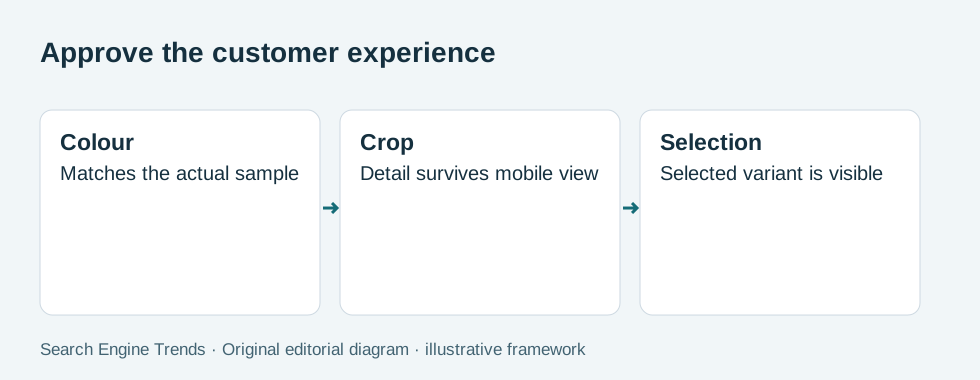
Inspect the uploaded page on a small screen and a larger display. Assess whether the image remains useful after the theme crops it, whether zoom preserves detail and whether the first photograph corresponds to the selected variant. Record observable problems instead of approving an entire folder because the exported files look polished.
Write descriptive alt text for informative images. A close-up might explain the snap fastening or contrasting lining; repeating a long product keyword in every alt field adds little. W3C explains the role of text alternatives in its images tutorial. For fit images, display size information as visible text as well, so customers do not have to extract it from a picture.
Track image-related support questions by product and variant. A repeated question about transparency, sleeve length or included accessories identifies a missing buying answer. It does not prove that adding more lifestyle photographs will improve conversion.
Audit the twelve choices from the customer's viewpoint
Make a review sheet with twelve rows, one for each color-and-size combination. For every row, open the product with that option selected and note the first image, the available detail views and the visible size information. This reveals a missing mapping without requiring the reviewer to remember which files belong to which color.
Include a deliberately unavailable variant in the review. Its image should still describe the option accurately, while the page explains the actual availability state. A stock change should not silently substitute another color photograph or make a size-specific fit statement disappear.
Where the gallery mixes campaign and evidence photographs, give the selected product image priority and keep the styling context intelligible. If a belt or undershirt is a styling prop, the buyer should be able to identify that boundary. The review should ask “Can someone inspect the selected item?” rather than “Does the gallery look expensive?” That question provides a practical acceptance criterion for the studio brief and the storefront upload.
Pre-publication photo checklist
- Match each physical sample to its SKU and production version.
- Document every shared image and the variants it can represent.
- Show the selected color before unrelated gallery images.
- Confirm that included accessories match the delivered product.
- Preserve detail in mobile crops and enlarged views.
- Label fit evidence with the actual photographed size.
Keep the matrix with the asset library. When a supplier changes trim, fabric or packaging, identify affected images through that mapping. A controlled reshoot is faster than replacing the gallery blindly, and avoids leaving one forgotten variant with an outdated photograph.
FAQ
Does every size require a different photograph?
Photograph size differences that affect the buying decision. Shared color views can be reasonable, but size-specific fit claims need evidence for the actual sample shown.
Can image editing change the color?
Editing should preserve a truthful representation. Do not create a new colorway by recolouring a sample without a reliable process that verifies it against the real item.
What belongs in a photography quote?
Specify source-image count, views, sample handling, retouching scope, delivery formats, usage rights and revision expectations. Compare identical briefs rather than headline session prices.