
A useful SMMA offer identifies the shop’s problem, the content produced, the approval process and the reporting period. Price the agency work separately from advertising spend, state support limits and use acceptance criteria that the client can actually inspect.

In this article
Cambridge SMMA service scope should tell a shop owner what the agency will produce and how the work will be checked. “Manage social media” leaves the customer to imagine the content count, advertising work and support availability. Begin with one commercial problem and define the deliverables that address it.
Choose one mission before adding platforms
SMMA means social media marketing agency in this guide. The example is a hypothetical agency serving shops in Cambridge; it is not a claim of a local office or client relationship. Fees and budgets are expressed in GBP only to make the UK planning example clear.
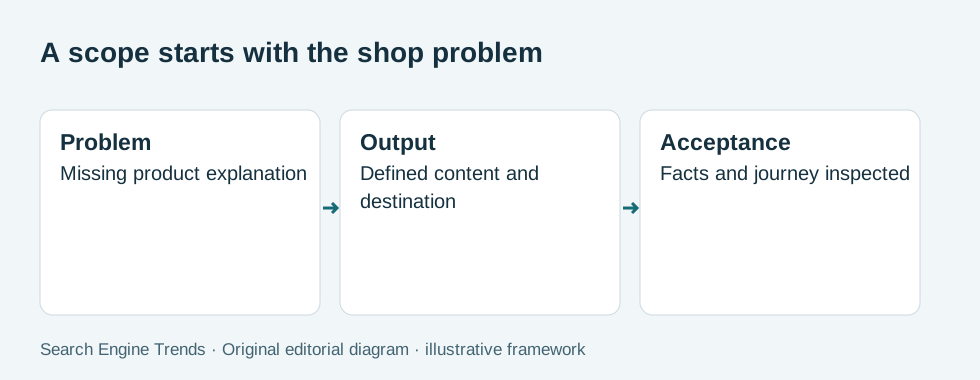
Choose a problem such as unclear product explanations or posts that send readers to an unrelated homepage. A focused mission could connect three common product questions with clear social content and useful destination pages. That is a task the agency can deliver and inspect. A guaranteed sales increase is not an appropriate substitute for the work description.
Assess the shop’s existing materials first. Product photographs, current prices and accurate specifications determine what the agency can explain. If evidence is missing, include obtaining or validating it as a dependency instead of assuming a designer will make the product story credible.
Define production in reviewable units
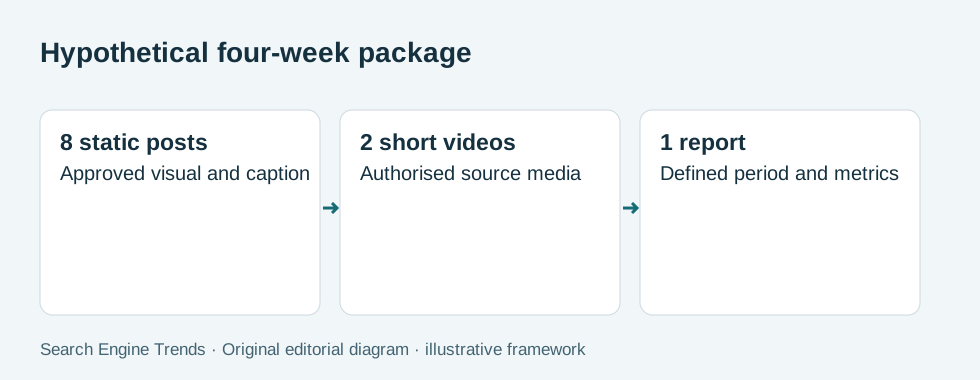
A static post includes a format, visual, caption and destination. A short video includes a source-media requirement, agreed duration or format and export specification. A report includes the reporting period, data sources and metric definitions. These units let the shop compare proposals that otherwise use the same vague service name.
For each unit, state who supplies the facts, who approves the draft and how changes are handled. An approval that only says “looks good” can leave a wrong price or unsupported product claim unresolved. Give the reviewer a clear responsibility for checking those facts.
Build a hypothetical four-week mission
The following quantities are invented planning inputs, not a recommended market package or promise of results.
| Fictional deliverable | Quantity | Acceptance criterion |
|---|---|---|
| Static posts | 8 | Visual, caption and destination approved |
| Short videos | 2 | Authorised media and agreed export |
| Journey review | 1 | Links and landing pages checked |
| Report | 1 | Period and metrics defined |
| Support | Defined allocation | Channel and available time stated |
Eight posts do not mean eight unrelated ideas. The hypothetical shop might repeat a useful product explanation in several appropriate formats while preserving the same facts. Conversely, eight almost identical promotional captions provide little help with the customer questions that motivated the mission.
Sequence the work around dependencies. Approve the product facts before drafting, approve the destination before scheduling, and confirm the reporting setup before evaluating clicks. If the shop has not supplied the media, mark the relevant video as blocked rather than silently replacing it with generic stock imagery.
Separate fees, advertising spend and support
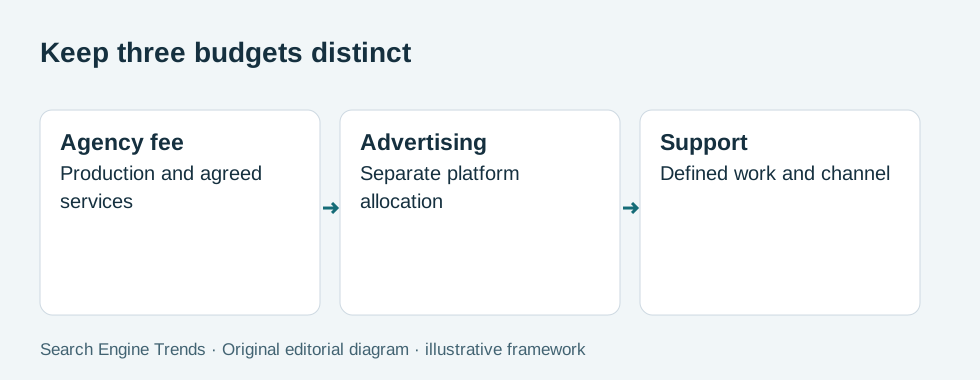
Suppose an illustrative proposal contains GBP 600 of agency fees and a separate GBP 300 advertising allocation. The combined cash requirement is GBP 900 before other stated items, but the agency fee remains GBP 600. These numbers are hypothetical, not Cambridge pricing or an estimate of expected performance.
Explain who controls the advertising account, approves budget changes and pays the platform. State whether the agency fee includes advertising management or only organic content production. A shop should not discover after signing that paid campaign setup requires a separate fee.
Define support as an operational boundary: the channel, response arrangement and allocated work. Comment moderation, customer complaints and product advice may require the merchant’s input. Do not promise continuous support when the package funds only a limited review period.
Report the metric’s actual meaning
Impressions, clicks, website sessions and purchases answer different questions. An impression indicates content delivery under the platform’s metric definition; a click does not necessarily become a measured website session or retained order. Reconcile the destination journey before calling platform activity a sales result.
Meta’s official Marketing API collection provides an insights request example. If the service uses platform reporting, review the fields and attribution settings actually available in the account rather than promising an unconfigured dashboard.
Use the report to identify actionable problems. A post receiving clicks while its destination is unavailable needs a page or availability correction. A product explanation generating repeated specification questions needs clearer evidence. Those findings can be useful without claiming that the agency caused every order in the period.
Scope checklist
- Name the shop problem and the delivered output.
- Define content units and approved destinations.
- List media, facts and account-access dependencies.
- Separate agency fees from advertising allocation.
- State approval, revisions and support arrangements.
- Label platform activity and retained sales separately.
Inspect a revision request before accepting it
Suppose the hypothetical shop asks to add four product videos after approving the four-week package. Determine whether the request replaces existing content or adds production. Check source-media readiness, editing time and the approval queue before quoting the change. A larger deliverable count can also increase reporting and coordination work even if the new videos reuse existing footage.
Document the change as an agreed output, fee and delivery implication. If the request introduces paid promotion, keep its platform allocation separate from production fees. The shop should be able to see what changed without comparing several informal messages.
Review the destination pages again for the added content. A new video about a variant can create a different landing requirement from the original generic product post. This check keeps the mission tied to the buying problem and prevents scope growth from becoming a collection of attractive assets with nowhere useful to send readers.
FAQ
Must a new SMMA offer several platforms?
No. Start with channels the client can support and a production scope the agency can deliver. Adding platforms without a distinct purpose increases work and approval complexity.
Are sales an acceptance criterion for content production?
Sales can be an outcome to observe, but content acceptance should also use inspectable criteria such as accurate facts, agreed formats and working destinations. Avoid guaranteeing revenue.
What if the client requests extra posts mid-month?
Review their effect on production, approval and fees. Record the agreed scope change rather than quietly absorbing work or removing another deliverable without explanation.

Find Your First Prospects
Explore this related DIY Marketing Guide guide to work further on the method. DIY is part of our business group; contents, language and price are shown on its store.
See the English guide