
San Francisco AI traffic: measure useful visits
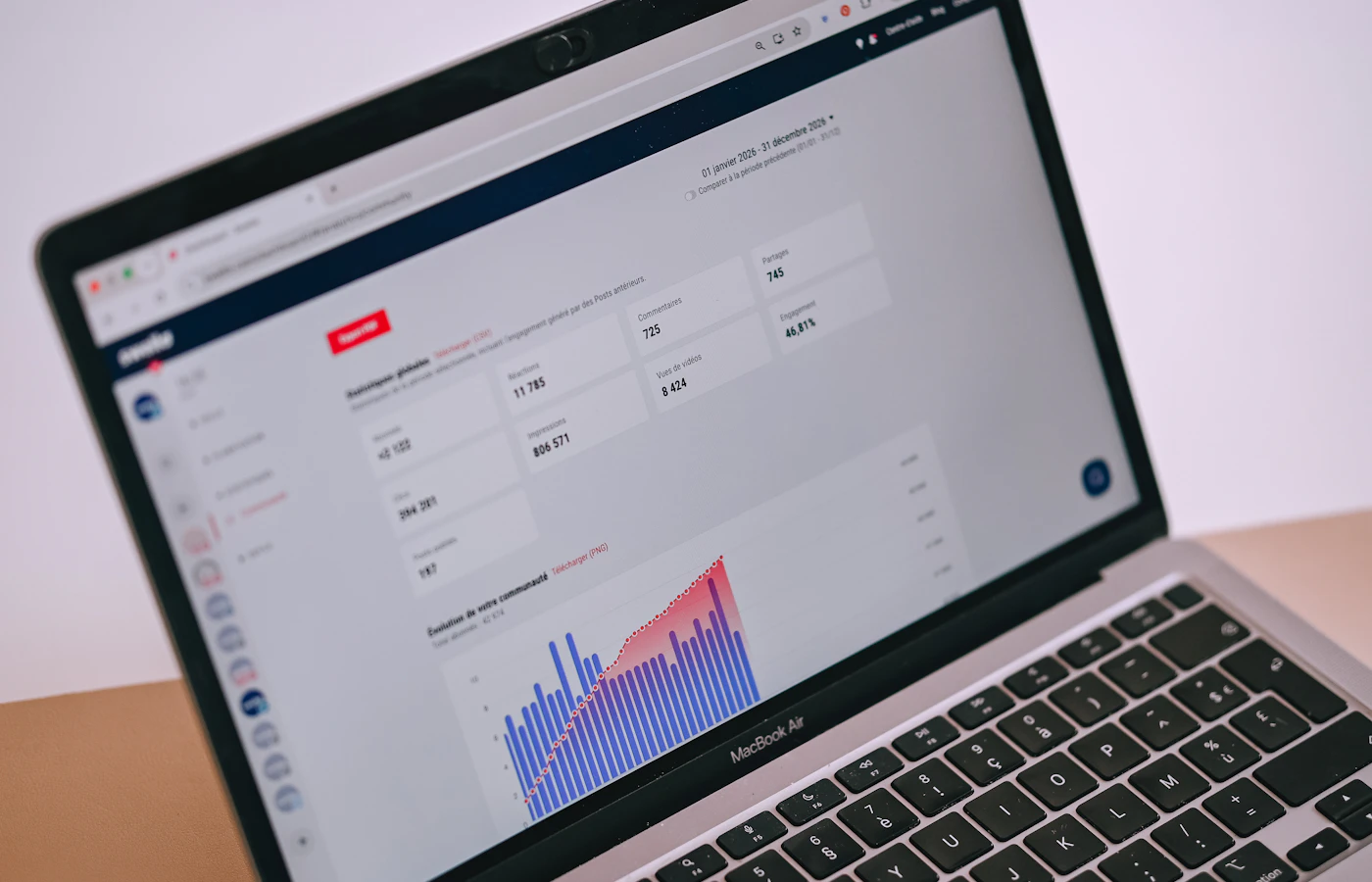
An AI mention, a referral visit and a retained purchase are different events. Measure identifiable AI referrals in analytics, inspect the landing journey and reconcile orders; treat missing referrer information as an attribution limit rather than proof of no AI influence.
Read article
AI product descriptions: verify every generated attribute
Treat AI product copy as a draft assembled from approved evidence. Verify every attribute against the exact SKU, block unsupported compatibility or certification claims, and keep unknown fields unresolved until a responsible reviewer obtains a reliable source.
Read articleToronto SEO: choose French and English URLs
Use stable French and English URLs for genuinely translated Canadian pages. Maintain complete equivalent pairs, make language choice visible, and check reciprocal hreflang plus appropriate self-referencing canonicals. Country targeting should reflect the page’s market, not the city name alone.
Read article
Vancouver cross-border sales: model the full cost
Model a cross-border sale by shipment direction, product and destination. Separate seller costs, buyer charges and unresolved duties or processing fees. Obtain a dated quote and the applicable official guidance before presenting a complete customer-facing cost.
Read article
Winnipeg inventory: use one SKU per variant
Use one stable SKU for each sellable variant, with separate supplier and barcode mappings. Keep physical stock distinct from available, committed and unavailable units, and inspect imports, cancellations and transfers before relying on the customer-facing quantity.
Read article
First UK service prospects: qualify before quoting
Start prospecting with a problem your service can solve and a clear definition of a suitable customer. Record observed needs, scope, decision-maker, timing and budget separately. A researched business becomes a qualified opportunity only after the relevant information is confirmed.
Read article